Blog
Local pest control companies often bring regional expertise, personalized service, and a stronger connection to the communities they serve.
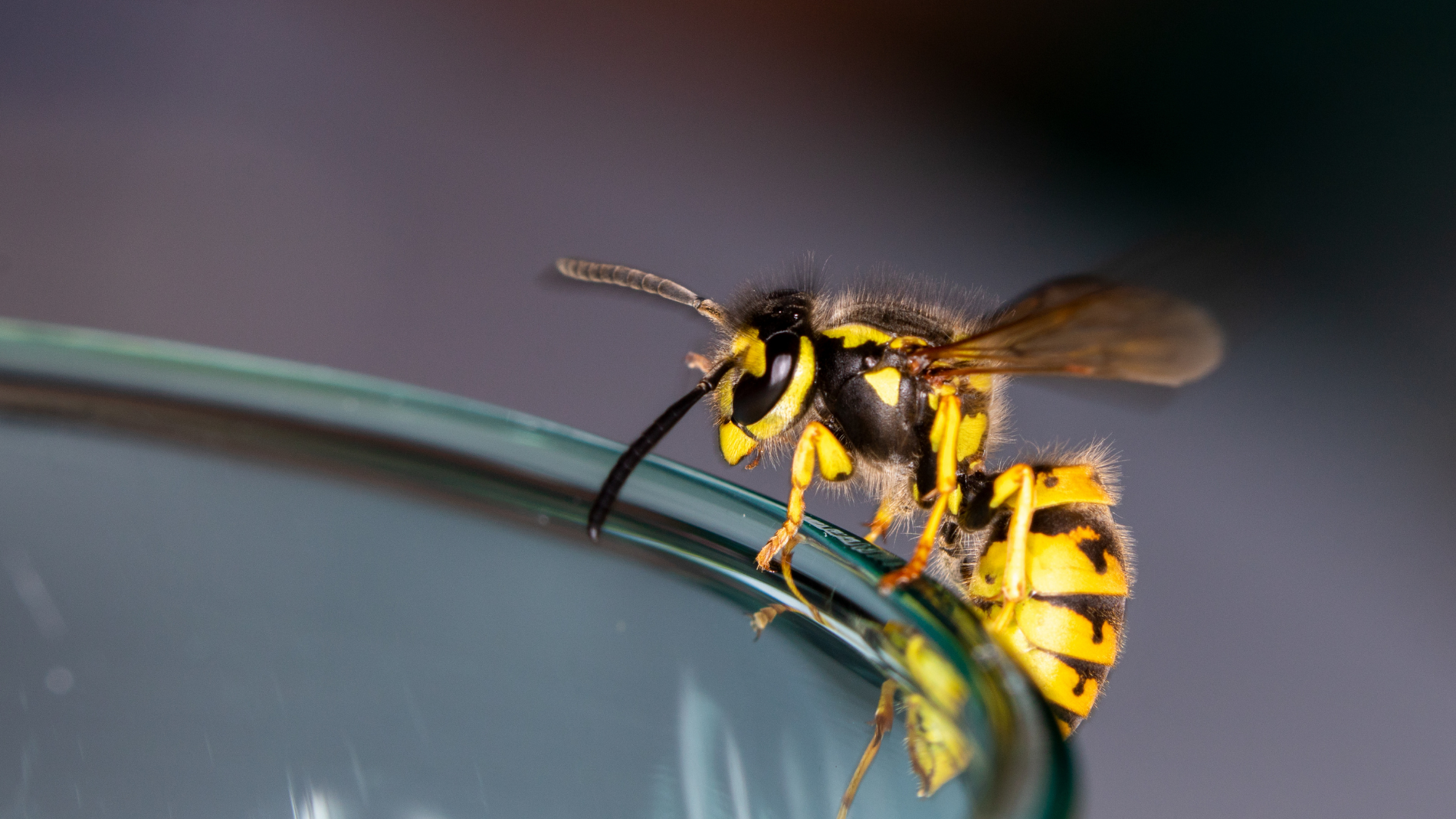
Clothing colors, food aromas, body movements, fragrances, sweat, and seasonal outdoor conditions can all influence why some people experience more wasp encounters than others.
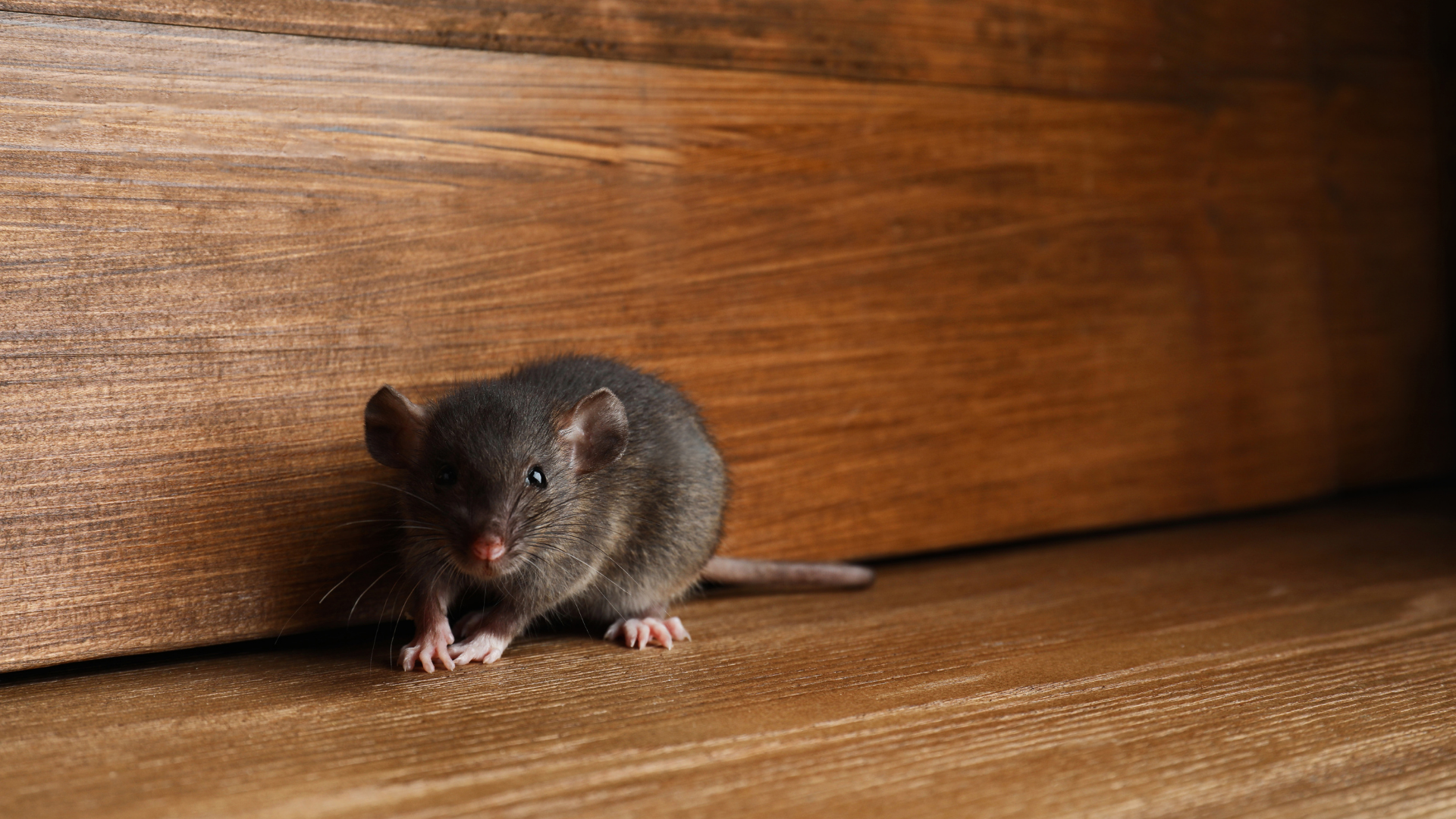
Size, nesting habits, reproduction speed, and damage potential create clear distinctions that impact identification and control decisions.
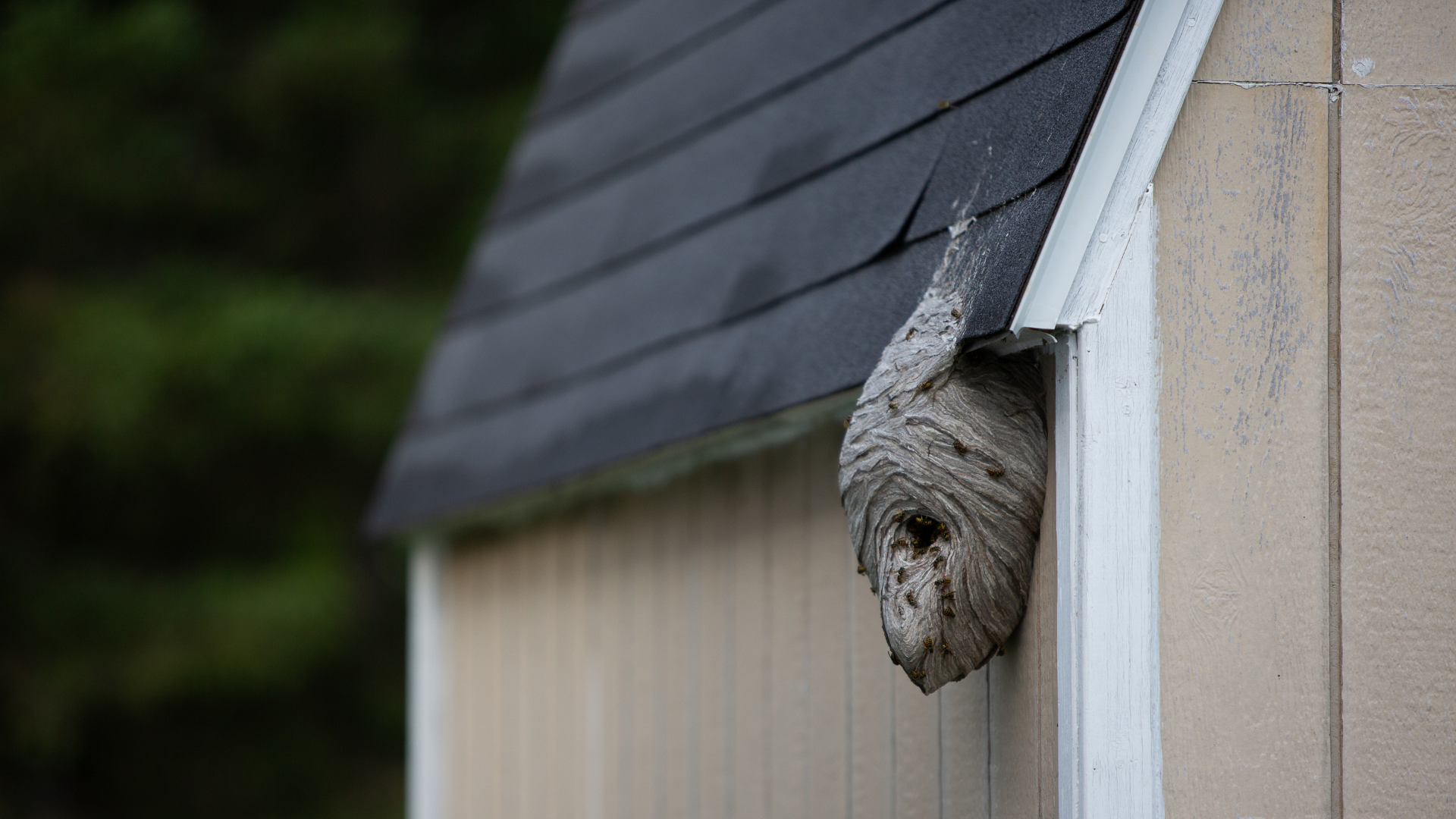
Routine inspections of low-traffic outdoor structures help identify nesting activity early and reduce the chances of wasps settling near living areas.
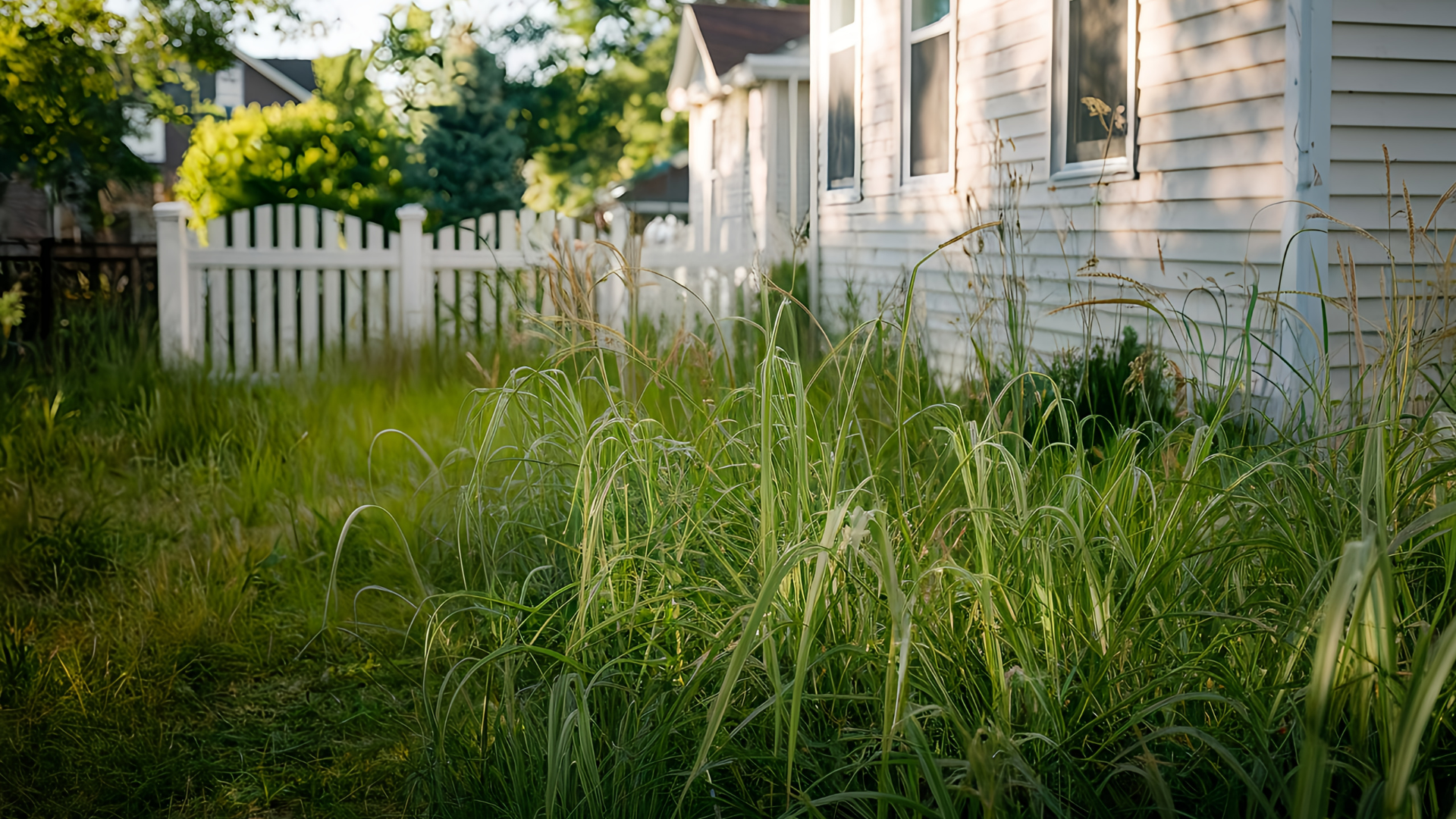
Vegetation and debris provide shelter and access.

Minor gaps, aging materials, and utility openings around structures create consistent access routes for insects and rodents.

Shared spaces increase the chance of pest introduction and spread.

Proper shelving, packaging, and inspection routines help protect stored food from rodent contamination.

Shared walls, vents, and trash areas require coordinated efforts between tenants and management to prevent rodent infestations.

Wall cavities and tech equipment often provide the perfect hiding spots that lead to unexpected infestations.